


The Geothermal Swap: Navigating Your Unit Replacement Options
Plan your geothermal unit replacement with expert insights. Discover indoor unit lifespan, ground loop durability, and upgrade benefits.


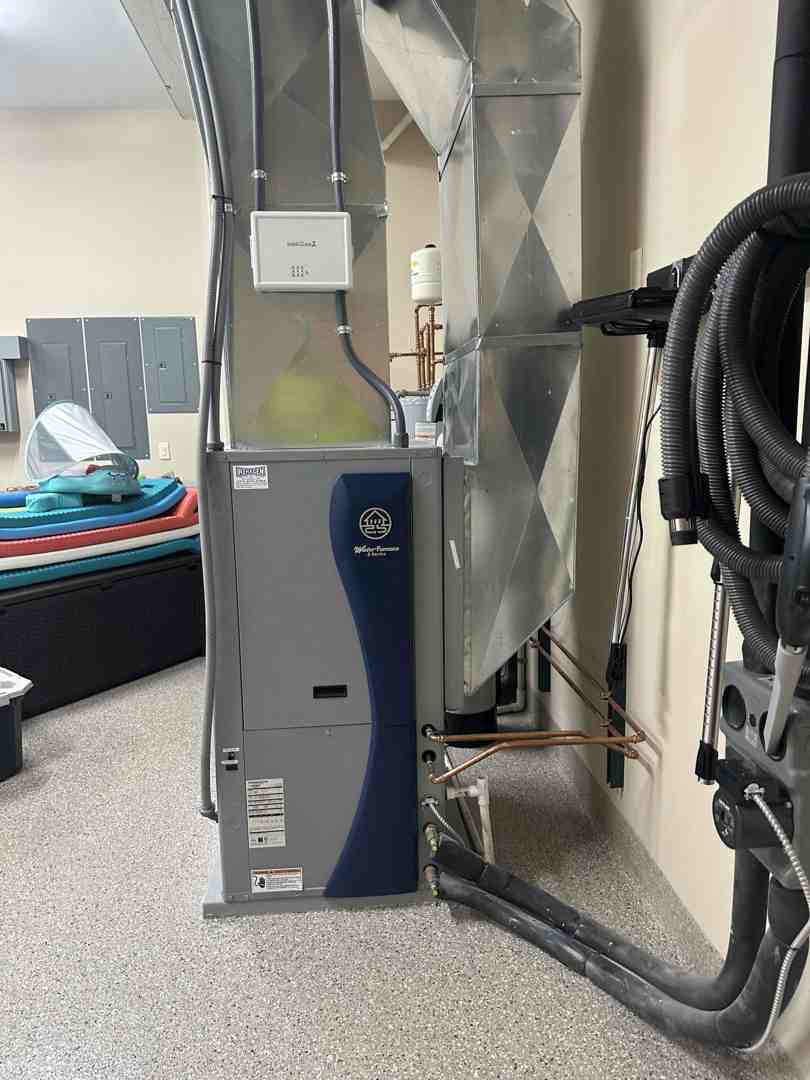
Planning for Your Geothermal System's Future
Geothermal unit replacement is a critical consideration for Central Missouri homeowners who want to maintain their system's exceptional efficiency and comfort. Unlike conventional HVAC equipment that typically needs full replacement every 15-18 years, geothermal systems have two distinct components with very different lifespans. The indoor heat pump unit typically lasts about 25 years, while the underground loop system can continue working for 50 to over 100 years. Understanding when and how to replace your system's components helps you plan financially and logistically for decades of reliable heating and cooling.
Quick Answer: What You Need to Know
- Indoor Unit Lifespan: 25-30 years (similar to replacing a standard heat pump)
- Ground Loop Lifespan: 50-100+ years (rarely needs replacement)
- Typical Replacement: Only the indoor unit requires replacement; existing loops remain in place
- Process Complexity: Indoor unit replacement is straightforward; loop replacement is rare but easier than initial installation
- Best Practice: Schedule professional inspections to maximize component life and plan replacement timing
For comprehensive information about geothermal systems, explore our guide to upgrading to geothermal heating, or contact Rehagen Heating & Cooling to discuss your system's condition and replacement options.
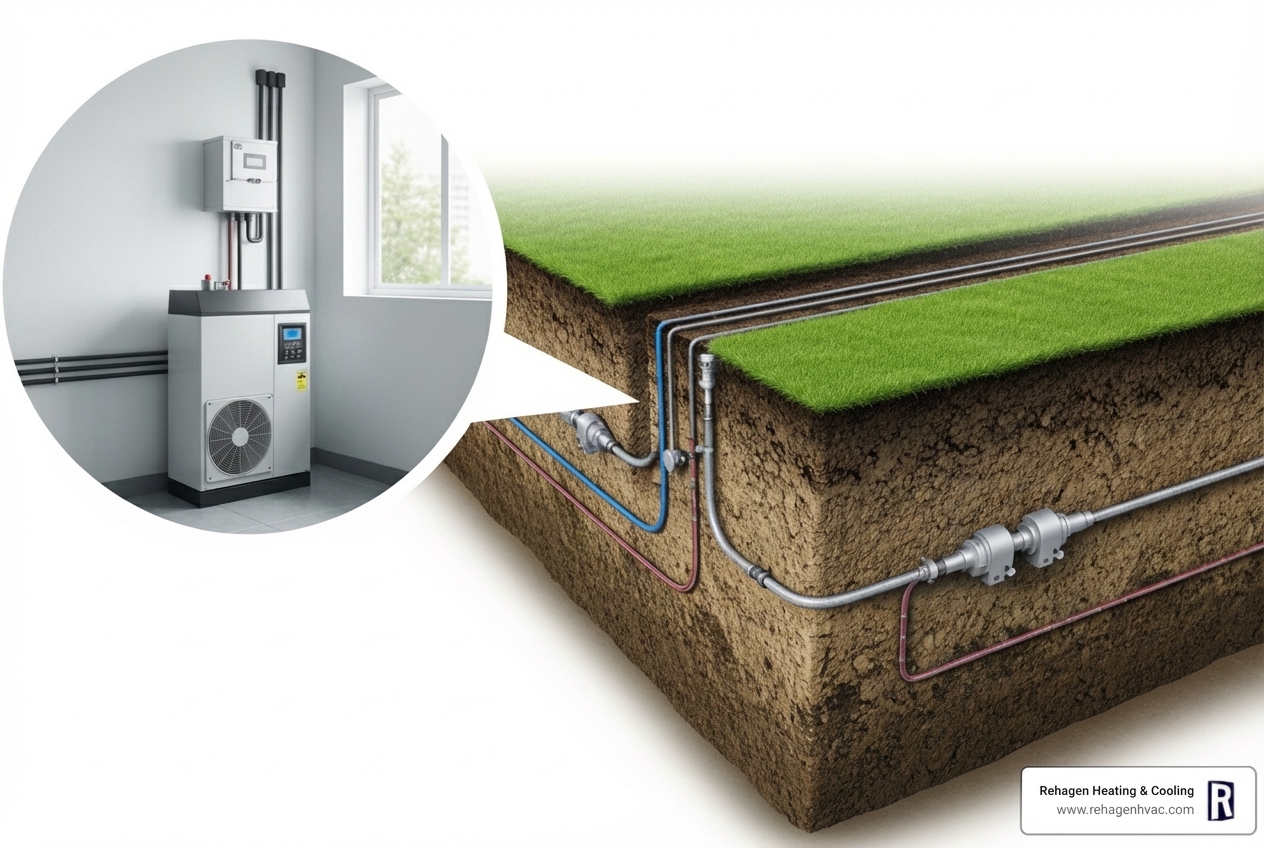
Your Geothermal System's Lifespan: Indoor Unit vs. Ground Loop
When we talk about the lifespan of a geothermal heat pump system, it's crucial to understand that we're dealing with two main components, each with its own impressive longevity. This bifurcated lifespan is one of the key reasons geothermal systems offer such long-term value compared to conventional HVAC systems.
The indoor components of a geothermal system typically last about 25 years. This is significantly longer than the 15 years or less for a traditional furnace or conventional air conditioning unit. In fact, some sources suggest the indoor heat pump can last up to 30 years. This extended lifespan means fewer replacements over the years, contributing to your long-term savings and peace of mind.
The underground loop system, the true marvel of geothermal technology, boasts an even more remarkable lifespan. These durable coils can last more than 50 years, with some estimates suggesting a life expectancy of over 100 years for the underground energy collector. This incredible durability means that in most cases, you'll only need to replace the indoor unit, while the underground loops continue to do their job for generations.
This longevity is a core aspect of the geothermal advantage. While conventional HVAC systems might require multiple full system replacements over a 50-year period, a geothermal system typically only needs its indoor unit replaced once or twice, with the ground loop remaining intact. This distinction significantly reduces lifetime costs and disruption.
For a deeper dive into the benefits, the U.S. Department of Energy provides excellent resources on geothermal heat pumps.
The Indoor Heat Pump: The Engine of Your System
The indoor heat pump is essentially the "brains and brawn" of your geothermal system. It's responsible for transferring heat between your home and the underground loop. Key components within this unit include the compressor, which circulates the refrigerant; the blower assembly, which moves conditioned air throughout your home; and the heat exchanger, where the heat transfer actually occurs. Think of it as the heart that pumps warmth in winter and coolness in summer.
Just like the engine in your car, these mechanical and electrical components experience wear and tear over time. While designed for exceptional durability, they have a finite lifespan, typically around 25 to 30 years. When it's time for a geothermal unit replacement, it's usually this indoor heat pump that requires attention. Upgrading to a modern indoor unit can bring even greater efficiency and advanced features, enhancing your home comfort.
The Underground Loop: A Long-Term Investment
The underground loop system is the unsung hero of your geothermal setup. Comprising durable polyethylene piping, these loops are buried in the ground, quietly exchanging heat with the earth. This robust piping is incredibly resilient to corrosion and environmental factors, which is why it boasts such an impressive lifespan—often 50 years, and sometimes well over a century. The underground energy collector can have a life expectancy of more than 100 years. This extraordinary durability means that the ground loop is typically a one-time installation for the lifetime of your home.
The durability of the ground loop contributes significantly to the system's overall reliability and low maintenance. It's truly a long-term investment that keeps on giving. Some even consider the idea of replacing the ground loops a myth, given their incredible longevity and low failure rate. As experts in the field, we can attest to the remarkable resilience of these systems. You can learn more about common misconceptions by exploring 10 myths about geothermal heating and cooling.
The Geothermal Unit Replacement Process: What to Expect
When considering a geothermal unit replacement, it's important to differentiate between replacing the indoor heat pump unit and the highly unlikely event of replacing the underground loops. The good news for Central Missouri homeowners is that in most cases, a "geothermal replacement" refers only to the indoor unit, a process far less complex and disruptive than the initial installation of the entire system.
Our NATE-certified professionals at Rehagen Heating & Cooling will always conduct a thorough professional assessment of your entire system. This includes evaluating the condition of your existing indoor unit, assessing its performance, and ensuring compatibility with modern, more efficient replacement models. This critical step helps us determine the best path forward for your specific home and needs.
Whether you're in Jefferson City, Columbia, or anywhere across our Central Missouri service area, we're here to guide you through the process. For more information on local services, check out our page on geothermal HVAC systems in Jefferson City, MO.
Step-by-Step: The Indoor Geothermal Unit Replacement
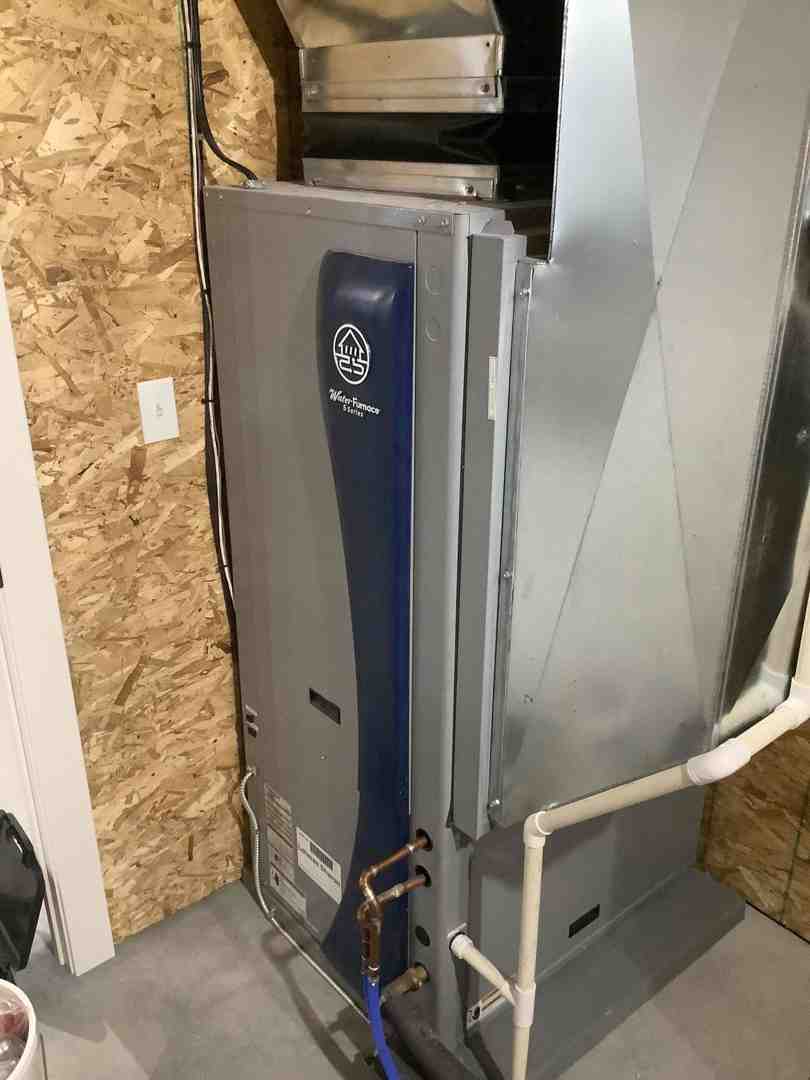
Replacing the indoor geothermal heat pump unit is a relatively straightforward process, often compared to replacing a standard air-source heat pump. Here's a general overview of what our team would do:
- System Evaluation: First, we perform a detailed system evaluation to confirm the indoor unit is indeed at the end of its life and to determine the appropriate size and type of replacement unit for optimal performance and energy savings.
- Safe Disconnection: Our technicians safely disconnect the old unit from the electrical supply, ductwork, and the refrigerant lines leading to the ground loop.
- Old Unit Removal: The existing indoor heat pump unit is carefully removed from your home.
- New Unit Placement: The new, high-efficiency geothermal heat pump is brought in and positioned in the same location as the old unit, or a more suitable one if available.
- Ductwork Connection: We connect the new unit to your existing ductwork, ensuring a tight, efficient seal for proper airflow throughout your home.
- Loop Connection: The new unit is carefully connected to the ground loop system, and refrigerant lines are properly sealed and charged.
- System Commissioning: Finally, we thoroughly test and commission the new system, verifying all components are working correctly, calibrating controls, and ensuring optimal performance before we consider the job complete.
This process is designed to be as seamless as possible, minimizing disruption to your daily life. For local services, explore our options for geothermal heat pumps in Jefferson City, MO.
Addressing the Rare Case of Ground Loop Replacement
While exceedingly rare, there might be instances where a portion of the underground loop system needs attention, perhaps due to accidental damage or a manufacturing defect that surfaces decades later. The good news is that even in such a scenario, the task is far easier and costs less than the original installation. Why? Because the most labor-intensive part—the trenching or drilling—is already done!
If a leak is suspected in the ground loop, our experts can often pinpoint the issue using specialized leak detection methods, such as circulating an earth-safe dye through the system that rises to the surface, indicating the exact location of the problem. This allows for targeted repairs rather than a full excavation.
If a section of the loop truly needs replacement, new loops can be put in. This process is significantly less disruptive than the initial installation because we can often use or expand upon existing trenches. Our goal is always to provide the most efficient and least invasive solution for our Central Missouri customers. For specific services related to your geothermal system, including potential repairs or replacements, visit our page on geothermal heating in Westphalia, MO.
Upgrading Your System: Modern Efficiency and Long-Term Benefits
Investing in a geothermal unit replacement for your indoor heat pump isn't just about restoring functionality; it's an opportunity to accept the latest technological advancements and open up even greater efficiency and comfort. Geothermal technology has continuously evolved, bringing forth innovations that make modern systems more powerful, quieter, and more environmentally friendly than ever before.
Replacing an older indoor unit with a new, high-efficiency model means you'll benefit from significant energy savings, further reducing your utility bills. These systems leverage the stable underground temperatures to provide consistent heating and cooling, drastically cutting electricity consumption compared to traditional HVAC systems. This also translates to a reduced environmental impact, contributing to a greener home and planet. Moreover, modern geothermal units often provide improved home comfort through more precise temperature control and better dehumidification.
We're committed to helping you maximize your savings on a geothermal upgrade. You can find more insights on this topic by reading our article on how to maximize savings on a geothermal upgrade.
Why a Geothermal Unit Replacement is a Smart Upgrade
Upgrading your geothermal indoor unit offers a wealth of benefits that extend beyond simply having a working system:
- Higher Efficiency Ratings: New units boast significantly higher Energy Efficiency Ratio (EER) and Coefficient of Performance (COP) ratings, meaning they convert more energy into heating or cooling with less electricity. This translates directly to lower operating costs.
- Variable-Speed Technology: Many modern units feature variable-speed compressors and blowers, allowing the system to precisely match your home's heating and cooling demands. This leads to more consistent temperatures, greater comfort, and even lower energy consumption than older, single-speed models.
- Quieter Operation: Advances in design and insulation mean new geothermal units operate more quietly than their predecessors, enhancing the peaceful ambiance of your home.
- Improved Dehumidification: Modern systems are more effective at removing humidity during the cooling season, providing a more comfortable indoor environment in Central Missouri's humid summers.
- Improved Comfort: With smarter controls and more precise operation, a new indoor unit can provide superior temperature consistency throughout your home, eliminating hot and cold spots.
For a complete overview of what these upgrades can mean for your home, our Columbia Geothermal Complete Guide offers valuable insights.
Extending Component Life and Planning Ahead
While geothermal systems are renowned for their longevity, proactive maintenance is key to extending the life of your components and reducing the frequency of replacements. Simple practices like regular filter changes are crucial for maintaining airflow and system efficiency. However, the most impactful measure is scheduling annual professional inspections with trusted experts like us. Our NATE-certified technicians can identify potential issues early, perform routine adjustments, and ensure your system is operating at peak performance. This preventative care can significantly prolong the life of your indoor unit and help you avoid unexpected breakdowns.
Planning for the eventual replacement of your indoor unit, both financially and logistically, is a smart move. Setting aside funds over time can ease the financial burden. Logistically, knowing the typical lifespan allows you to research new technologies and options well in advance, ensuring a smooth transition when the time comes. We're always here to offer advice and help you prepare.
Here are some signs your geothermal unit replacement may be due for service:
- Frequent cycling: The unit turns on and off too often.
- Unusual noises: Grinding, hissing, or banging sounds.
- Reduced performance: Your home isn't heating or cooling effectively.
- Increased energy bills: A sudden spike without a change in usage.
- System age: If your indoor unit is approaching or exceeding 25-30 years.
- Leaking or pooling water: Around the indoor unit.
Frequently Asked Questions about Geothermal Replacement
How do I know if my unit needs replacement or just a repair?
This is a common question, and it often comes down to a few key factors: the age of your unit, the frequency and cost of repairs, and its declining performance. If your indoor unit is approaching or has exceeded its typical 25-30 year lifespan, and you're experiencing frequent breakdowns or a noticeable drop in efficiency, replacement is often the more cost-effective long-term solution. A professional diagnosis from our Rehagen Heating & Cooling experts is key. We can assess your specific situation, weigh the repair costs against the benefits of a new, more efficient system, and provide an honest recommendation.
Will a new indoor unit work with my existing ground loop?
In almost all cases, yes, a new indoor geothermal unit will work seamlessly with your existing ground loop. The ground loop's remarkable lifespan means it's designed to outlast multiple indoor units. Our primary concern during a geothermal unit replacement is ensuring the proper sizing and compatibility of the new indoor unit with your existing loop field. An undersized system will strain to meet heating and cooling demands, while an oversized system can lead to short cycling and reduced efficiency. Our NATE-certified technicians will perform a thorough assessment to ensure the new unit is perfectly matched to your home's needs and your existing loop infrastructure. For more on the importance of proper sizing, refer to resources like system sizing guidelines.
What are the environmental benefits of replacing an older geothermal unit?
Replacing an older geothermal unit, especially one that's several decades old, offers significant environmental benefits. Newer models boast even higher efficiency ratings, meaning they consume less electricity to achieve the same or better heating and cooling performance. This directly translates to a lower carbon footprint for your home, as less electricity (which often comes from fossil fuel sources) is needed. Furthermore, modern geothermal systems often use more environmentally friendly refrigerants, reducing their potential impact on the ozone layer and climate change. It's a continuous improvement cycle where each geothermal unit replacement brings us closer to a more sustainable future. The Montana Renewable Energy Association provides valuable information on the broader environmental impact of geothermal technology.
Conclusion: A Smart Investment in Your Home's Future
Choosing a geothermal system for your Central Missouri home was already a smart decision, offering unparalleled efficiency and comfort. When it comes time for a geothermal unit replacement of your indoor heat pump, it's not just a maintenance task; it's an opportunity to reaffirm that investment and upgrade to even greater long-term value, reliable comfort, and improved energy independence.
At Rehagen Heating & Cooling, we've been Central Missouri's trusted HVAC and geothermal experts for over 40 years. Our commitment to honest service, precision workmanship, and reliable comfort, backed by strong warranties and NATE-certified professionals, makes us the #1 geothermal supplier in the region. We understand the nuances of these sophisticated systems and are dedicated to ensuring your geothermal investment continues to provide comfort and savings for decades to come.
Ready to explore your geothermal unit replacement options or learn more about this incredible technology? We invite you to dig deeper into our offerings and find why a geothermal system is truly an investment in your home's future. Learn more about our Geothermal Heat Pumps.
Related articles
request service
